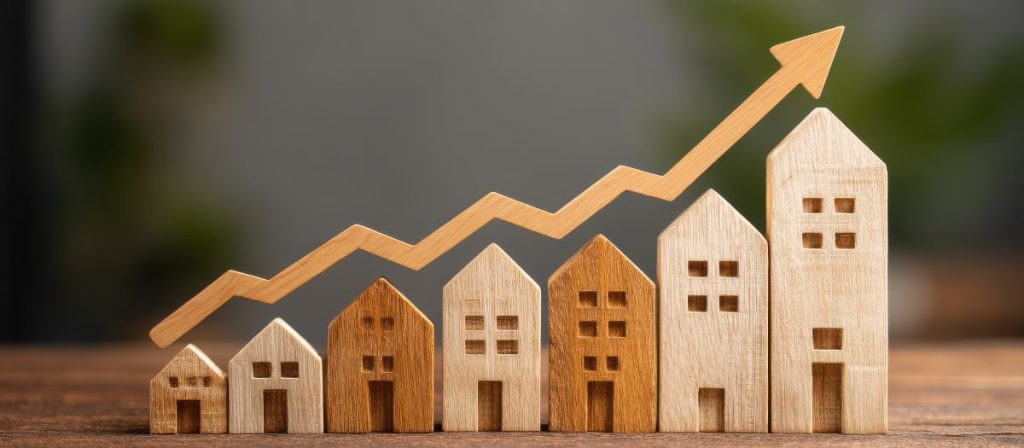

Buying and owning a home has long been considered the pinnacle of the American dream and a way for many families to invest, establish roots, and build generational wealth. As a young woman in my 20s, the affordability of the housing market is hitting my generation the hardest, and we are eager for a path forward.
Generally, homeowners welcome higher housing costs, aside from higher property taxes, because it is an increase in their most valuable asset. On the other hand, those looking to buy a house would like housing costs to decrease to maximize their buying power. While housing affordability impacts homebuyers and homeowners differently, what should concern all are housing policies that weaken the health and safety of communities.
According to studies released in March of 2026 by Realtor.com, the U.S. is short about 4.03 million homes which is largely due to supply chain issues. Theoretically, in a free market economy, a shortage in supply should encourage investors to build to meet demand. However, labor shortages, construction costs, regulations, and inflation have contributed to the housing market not bouncing back to equilibrium. Legislative measures are now being taken at the state and federal level.
Housing bill H.R. 6644, titled, “21st Century ROAD to Housing Act,” became federal law on Saturday, July 11, 2026, with bipartisan support. The bill includes over 40 provisions to cut housing costs and increase supply, including easing building regulations and limiting Wall Street’s purchase of single-family homes.
With state level politics, there is a great opportunity to analyze varying policies from state to state to see which produce better results. While there are many housing affordability policy proposals in circulation, there are two examples that make interesting case studies in New York and Florida.
The problem with political talk is often what makes good politics makes bad policy. Exhibit A is New York City’s socialist Mayor Zohran Mamdani’s “Block by Block: The Housing Plan for a New Era.” He promises to build 200,000 “affordable” rent-controlled homes and preserve 200,000 existing units over the next decade, backed by a $22 billion-dollar taxpayer fund. This plan actively eliminates opportunities for investors and developers to realize the untapped demand and disincentivizes landlord maintenance and upkeep. Serious policymakers should acknowledge that implementing legislation incentivizing new construction is key to fixing the housing affordability crisis.
Additionally, rent control policies have been proposed since ancient Rome and repeatedly failed to deliver safer and healthier societies. For example, a study posted by the American Economic Association in 2019 found a “sudden rent decontrol in Cambridge, Massachusetts in 1995 caused overall crime to fall by 16 percent. We estimate that this annual direct benefit to Cambridge residents was roughly $10 million (in 2008 dollars), accounting for 10 percent of the growth in the Cambridge residential property values contribute to decontrol.”
That is approximately $15.5 million today. Imagine if the $22 billion in taxpayer dollars (plus money lost in the rise in crime and decrease in building maintenance) was given back to NYC citizens to invest directly in homeownership, driving competitive real estate and lowering rent prices. There would be a much healthier economy and safer community in the Big Apple.
On the other hand, the Florida Senate just passed a historic $250,000 property tax cut for Florida homeowners on June 2, 2026. Florida Amendment 3, the Homestead Tax Exemptions, Property Assessments, and Spending Restrictions Amendment accompanying Senate Bill 4-F, creates a constitutional path to phase out property taxes for primary residents by dramatically expanding homestead exemptions and limiting local tax hikes. While this constitutional amendment awaits approval in the November 2026 general election, its policy incentives show promise in helping both homeowners and homebuyers.
For homeowners, it lowers or entirely erases local property burdens, and capping tax obligations shields existing homeowners from pricing themselves out of their neighborhoods due to spiking property values. Policies like this across the nation could help the millions of older adults who are forced out of their homes due to the burden of rising property taxes. For homebuyers, lowering the total cost of ownership directly increases purchasing power, making the initial hurdle of buying a home more accessible.
The U.S. Constitution upholds the right to own property. In celebration of America’s 250th birthday, we should implement policies that uphold the American Dream of homeownership by removing the fears of being taxed out of homes or implementing harmful policies costing billions of taxpayer dollars and the safety of communities. The American spirit has always thrived on hard work, personal responsibility, and strong families. Housing policies are good when they incentivize actions that promote these values.