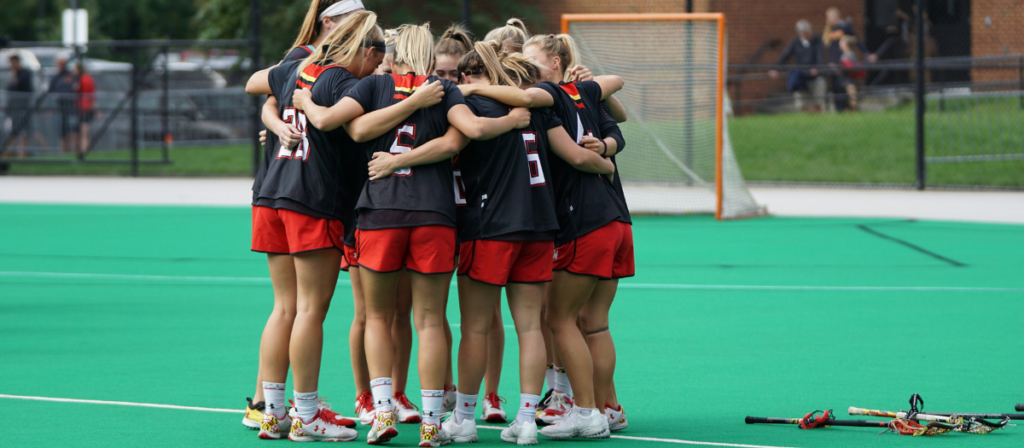

Congress is attempting to address the growing college sports crisis. But they shouldn’t do it at the expense of female athletes.
The issue of Name, Image, and Likeness, or NIL, has been roiling college athletics for several years now. The ability of college athletes to profit from their personal brands has caused a litany of negative consequences for the integrity of collegiate sports programs. Congress has introduced several bills to address this question, none of which have passed yet. The latest attempt is a bipartisan bill called the Protect College Sports Act sponsored by Senators Ted Cruz (R-Texas) and Maria Cantwell (D-Washington). Concerned Women for America Legislative Action Committee (CWALAC) recognizes the need for Congress to address this growing problem. However, any effort to tackle the issue must not compromise gains to protect the integrity of women’s sports, as even the U.S. Supreme Court acknowledged today in its landmark decision upholding a state’s right to protect women’s sports for women only. “In the past six years,” the Court noted, “27 States have enacted laws that maintain female sports for biological females.” And the bill the Senate is considering, as currently drafted, could threaten many of those state laws that currently keep men out of women’s college sports.
To establish a national framework for NIL, federal lawmakers believe it is necessary to clarify that eligibility rules passed by Congress would preempt, or take precedence over, state laws. The goal of this is to avoid confusing rules that conflict with one another. For example, one state may have certain rules regarding eligibility for student athletes who engage in gambling or are prosecuted for state felonies, whereas other states have differing rules. Federal preemption language aims to ensure that all states are on the same page.
The issue is that those 27 states currently banning men from female sports teams do so through laws that specifically designate sex as a category determining eligibility. And because of its broad language, the Protect College Sports Act, as currently drafted, would preempt those state laws as well.
The bill also does not include protecting Title IX, the law that provides the federal structure and stability that female athletes rely on to protect their rights. By not including Title IX as one of the bill’s foundational statutes, the bill may deny states existing protections, exposing them to unnecessary court challenges.
As currently written, this bill would give cover to the National Collegiate Athletic Association (NCAA), the organization clamoring most loudly for a federal fix to NIL, to continue what they have been doing for years – forcing female athletes to compete against men and share their private spaces with them. Despite President Trump’s executive order banning men from women’s sports, the NCAA and many other sports governing bodies have steadfastly refused to make meaningful changes to their “transgender” athlete policies to ensure there aren’t any loopholes that put women’s fair competition at risk.
That is why it is so important that these state laws remain in place, and why we cannot allow a federal bill to undercut the tremendous hard work that many women, including CWALAC grassroots, have put into passing them. Now that the Supreme Court has upheld states’ rights to pass such laws, it is time for Congress to support them rather than preempt them through a federal takeover of college sports.
The Protect College Sports Act is entirely fixable. The House of Representatives introduced legislation last year, the SCORE Act, that had a similar issue. House leadership responded to our concerns with eagerness to ensure they protected women’s sports and resolved this technical problem with the bill.
CWALAC hopes the same can be said of our effort in the Senate so that these crucial changes can be made to avoid unintended consequences. Any legislation claiming to protect college sports must protect female athletes.