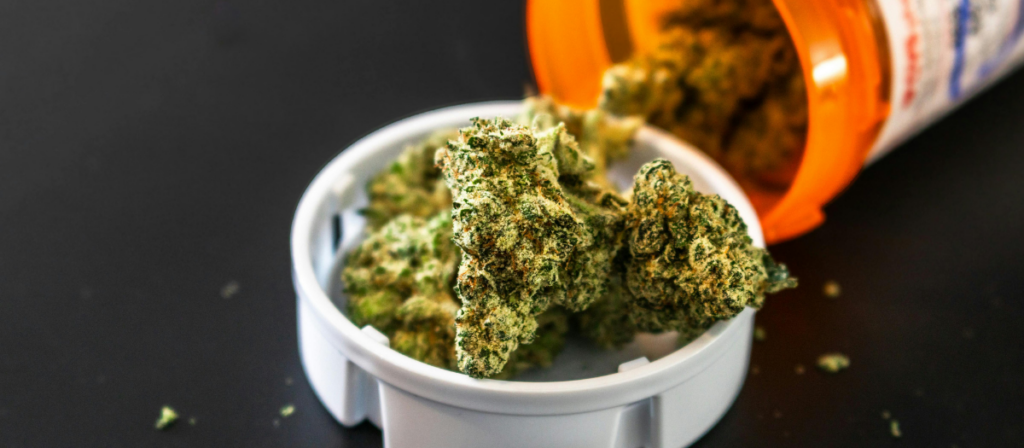

On July 15, 2026, the Drug Enforcement Agency (DEA) and Department of Justice (DOJ) officially wrapped up a historic set of hearings on rescheduling marijuana from Schedule I to Schedule III. The dramatic change would reclassify the drug as now having an accepted medical use and a low risk of abuse. However, marijuana itself has never been accepted for medical use and is overwhelmingly abused among its users. Before granting this catastrophic expansion, the DEA should consider the havoc that marijuana has already wreaked across our nation.
Marijuana advocates have argued for years that the legalization of this drug would prove to be beneficial to society. Those efforts have led nearly all 50 states to adopt marijuana access in some form. Throughout the past twenty years, the cannabis industry has evolved from back-alley deals to now hosting dispensaries right next to the local grocery store. In some states, THC (the main active chemical in cannabis)-laced products can be found in every gas station convenience store. This has led to an overwhelming increase in usage with 65% more Americans using the drug today compared to 2015 and over 44 million citizens using it regularly. As marijuana use has increased, the industry has seen its revenue skyrocket, all while regulations dwindle. Without a doubt, marijuana is now normalized across our nation—but is it producing the supposedly wonderful benefits we were promised?
Unfortunately, marijuana access has proved detrimental to quality of life, specifically for its largest demographic, young adult men. One in five men aged 18-25 now meet the criteria for Cannabis Use Disorder (CUD), a substance use disorder where marijuana consumption impairs daily activities. Not only does this drug cause a perpetual cycle of addiction, but it also severely drives up rates of heart attacks, lung disease, cognitive decline, and much more.
In 2012, 23-year-old and recently married Shane Robinson started to experience drastic behavioral changes after using marijuana. Due to the hallucinations he was experiencing, Shane was hospitalized on several occasions and tragically took his own life. Shane’s death has been attributed to cannabis-induced psychosis, a condition that has spread across the U.S. as THC potency has drastically increased.
Marijuana use significantly impacts the mental health and decision-making processes of its users. Despite being marketed as stress-relieving, the drug is proven to increase depression, anxiety, suicidality, suicide attempts, and psychotic disorders. The effects can also be long term, especially when introduced in adolescence. A 2025 study confirmed damage to an individual’s hippocampal cortical thickness (the part of the brain associated with Alzheimer’s) as a result of marijuana use 22 years prior.
The drug also impacts America’s infertility and birth rate crisis. Miscarriage rates double if the man uses marijuana 1-2 times per week. Regular use also harms sperm quality considerably. Men who use the drug experience a significant drop in sperm concentration and sperm count, increased sperm DNA damage, and they produce 17% more immotile (non-moving) sperm compared to non-users.
The drug industry does not disclose any of this information to its customers. As more couples heartbreakingly struggle to conceive, the information on marijuana’s impact on fertility is vital for consumers to know. From a national perspective, infertility and low birth rates dramatically affect a country’s future through slow economic growth, increased school closures/labor shortages, and much more. As marijuana legalization has rapidly spread, total fertility in the U.S. has hit an all-time low and is continuing to decline.
These harms do not affect users only. In Texas, a 17-year-old driver under the influence of marijuana traumatically killed six members of a family of seven and left the sole survivor paralyzed in 2023. The heartbreaking story is not a one-off case. Just recently, an Ohio study found that 42% of drivers killed in collisions tested positive for THC.
The figure is likely low, since few states have enacted a roadside field test to detect marijuana impairment. This past March, Wisconsin became one of the only states to legislate an oral swab test for law enforcement to determine if someone is driving while high. Concerned Women for America (CWA) has been advocating for such a test nationwide. While drugged driving is illegal in all 50 states, if officers are unable to detect impairment, the law is meaningless because it is unenforceable. It is crucial for law enforcement to be equipped with all the necessary tools to keep our streets safe.
Marijuana legalization continues to leave an abhorrent mark on our nation’s history, as even a New York Times report acknowledged recently. Expanding weed access is only going to line the pockets of drug companies while the American people suffer the consequences. The DEA should leave this dangerous drug in its rightful place as a Schedule I drug, as it works to make America safe again.
Serenity Porch is a Government Affairs/Public Policy intern for Concerned Women for America